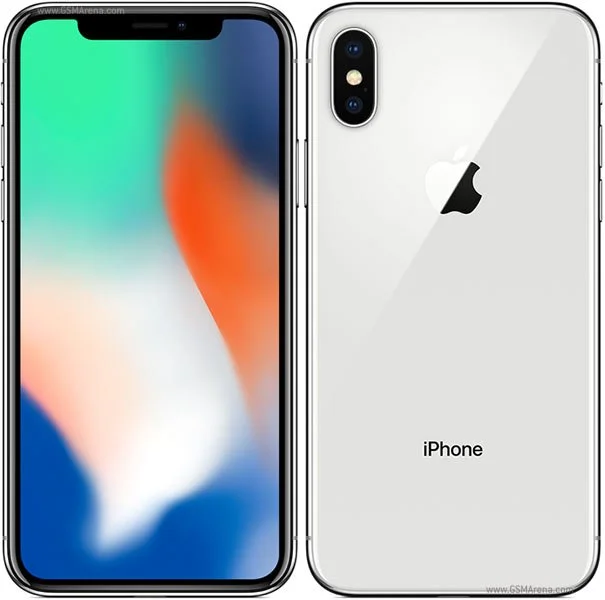
The Phone That Rewrote the Rules: The Story of the iPhone X
There are moments in technology that split time in two — a before and an after. The launch of the iPhone X on 12th September 2017 was one of those moments. Not just for Apple, not just for smartphones, but for the entire way we think about what a pocket computer can be.
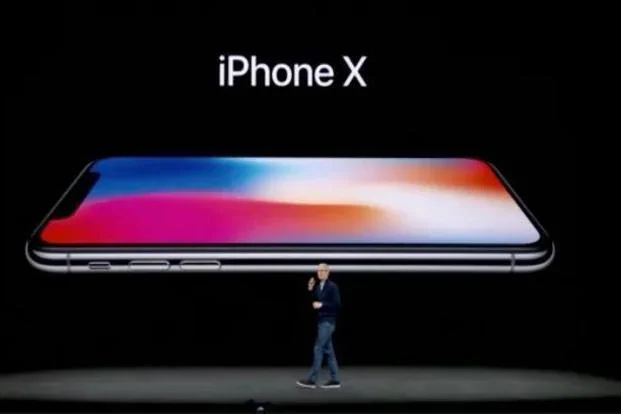
"One More Thing..."
When Tim Cook stepped onto the stage at the brand-new Steve Jobs Theater — the first-ever event held at Apple's gleaming new Apple Park campus — the air was thick with anticipation. Apple had already unveiled the iPhone 8 and 8 Plus, solid but unremarkable upgrades. But then came the three words that stopped the room.
Goodbye, Home Button. Hello, Future.
The most dramatic thing about the iPhone X wasn't what it had — it was what it didn't. For the first time in a decade, Apple removed the iconic Home button. That small circular button had been the defining feature of every iPhone since 2007. Gone.
In its place: an edge-to-edge 5.8-inch OLED Super Retina HD display, running at 2436 x 1125 resolution with a pixel density of 458 pixels per inch — the sharpest iPhone screen ever made at the time. Navigation shifted entirely to gestures. Swipe up to go home.
Swipe and hold to multitask. It felt alien for about three days — and then it felt like the only way a phone should ever work.
Phil Schiller, Apple's marketing chief, literally asked the audience on stage: "How do you wake up your iPhone X?" — aware that Apple was asking millions of people to completely unlearn a decade of muscle memory.
Face ID: Your Face Is the Password
Removing the Home button also meant removing Touch ID — Apple's fingerprint sensor. The replacement was Face ID, a facial recognition system powered by the new TrueDepth camera array housed in the now-famous notch at the top of the screen.
The notch was controversial. Critics called it ugly. Android manufacturers mocked it. And then, one by one, nearly every Android phone maker copied it. By 2018, the notch was everywhere.
Face ID used structured light to project 30,000 invisible dots onto the user's face, building a precise 3D map that was far more secure than a fingerprint. Apple claimed it was one million times harder to fool than Touch ID. It also gave birth to Animoji — animated emoji that mirrored the user's real facial expressions, which became a cultural phenomenon almost overnight.
The Price Tag That Shocked the World
The iPhone X started at $999. A four-figure phone. The most expensive iPhone ever made at the time. Gasps rippled across the internet. Was Apple serious?
The market answered clearly: yes, it was. Pre-orders opened on 27th October 2017, and stock was exhausted within minutes. Delivery estimates stretched to five or six weeks within two hours of going live. Apple confirmed that "customer demand is off the charts." The $999 phone had validated an entirely new price tier for flagship smartphones — and every manufacturer in the world took note.
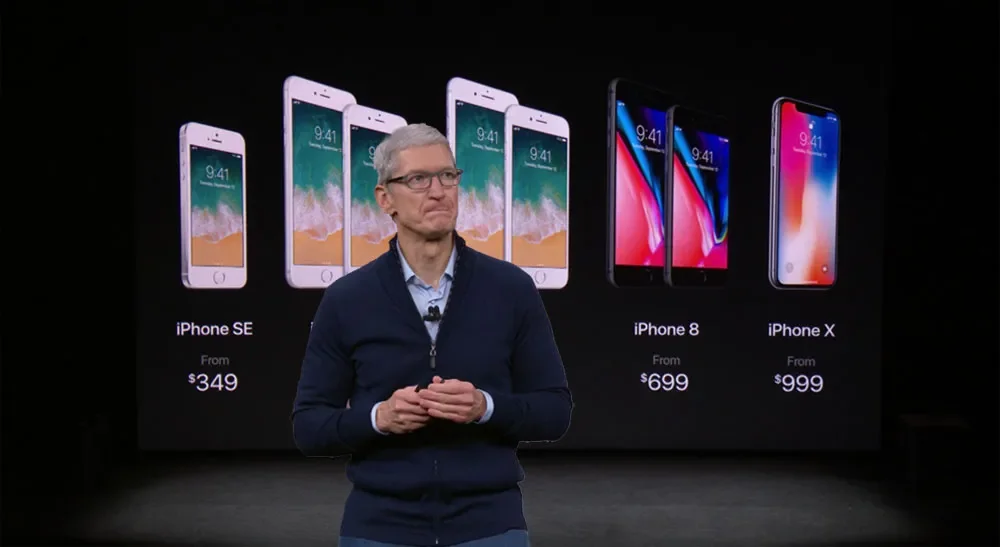
The Legacy: Every Smartphone After This
Look at any high-end smartphone made after 2017. Edge-to-edge display? iPhone X. No home button, gesture navigation? iPhone X. Face unlock built into a notch or cutout? iPhone X. OLED screen on a premium phone? iPhone X blazed that trail.
The technology behind the iPhone X had been in development since 2012 — five years of secret work before it reached the public. It was designed in the new Steve Jobs Theater, unveiled at the new Apple Park, and powered by the A11 Bionic chip — the first 10-nanometer mobile processor ever put in a phone. Every detail was deliberate. Every decision pointed forward.
The iPhone X was discontinued in September 2018, just a year after launch, replaced by the XS and XR. But its DNA lives on in every iPhone made since. Pick up any iPhone today — the design, the gestures, the face unlock — it all flows directly from that September evening in Cupertino.
“The iPhone X set the path for technology for the next decade.”
And he was right.